
What Happens at a Meditation Retreat in Rishikesh? A Guide for First-Time Visitors
Thinking about attending a meditation retreat in Rishikesh for the first time?
You may already imagine sitting quietly, closing your eyes and focusing on your breath. But a retreat is usually more than a few meditation sessions.
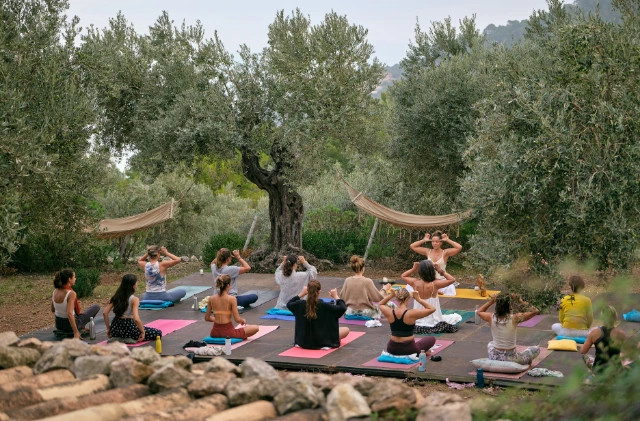
The experience can involve a daily routine, guided practices, yoga, breathwork, time in nature and periods of quiet reflection. The exact schedule depends on the retreat, its teaching approach and how intensive the programme is.
For a first-time visitor, knowing what to expect can make the experience much more comfortable.
Quick Summary
A meditation retreat in Rishikesh may include:
- Guided meditation sessions
- Breathwork and mindful movement
- Yoga or other complementary practices
- Quiet or silent periods
- Time for personal reflection
- Nutritious meals
- Nature and outdoor time
- A structured daily routine
Before booking, check the type of meditation, teaching approach, daily schedule, level of guidance and amount of personal time.
Not every retreat offers the same experience.
What Is a Meditation Retreat?
A meditation retreat gives you dedicated time to practise meditation away from your usual environment.
Instead of trying to fit ten or twenty minutes of meditation around work, messages and everyday responsibilities, a retreat creates a setting where the practice becomes part of your daily routine.
Some retreats are highly structured. Others are more relaxed and combine meditation with yoga, Ayurveda, nature or personal reflection.
The important thing is to understand what the particular programme actually involves before you book.
Why Choose Rishikesh for a Meditation Retreat?
Rishikesh has a long association with yoga, meditation and Indian spiritual traditions. Its location along the Ganga and near the Himalayan foothills also gives visitors an environment quite different from a typical city stay.
For someone interested in meditation, that setting can make it easier to step away from familiar distractions and give more attention to their practice.
The destination, however, is only one part of the experience.
A retreat with a beautiful view but little guidance may not be useful for someone completely new to meditation.
When comparing a meditation retreat in Rishikesh, look at the programme and the people guiding it as carefully as you look at the location.
What Happens During a Typical Day?
There isn’t one standard retreat schedule, but your day may have a fairly consistent rhythm.
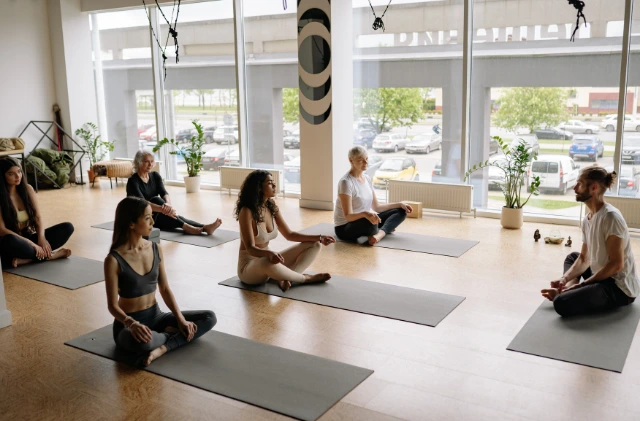
You might begin with an early meditation session, followed by yoga, breathwork or another guided practice. Meals may happen at set times, with periods during the day for personal practice, walking, reading or rest.
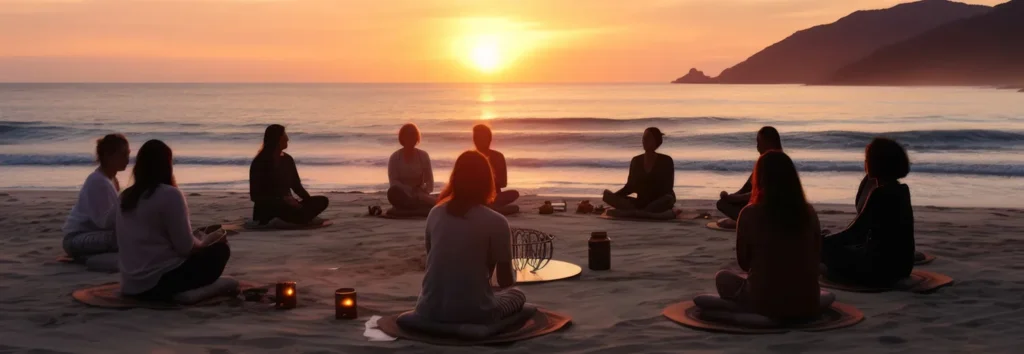
An evening meditation or reflection session may bring the day to a quieter close.
This structure can actually be helpful.
When you don’t have to decide what to do next, you have more space to focus on the experience itself.
At the same time, a good retreat should leave some room for you to simply be still.
What Kind of Meditation Will You Practise?
This is one of the most important things to check before booking.
“Meditation” can refer to different traditions and techniques. A programme may involve:
- Breath awareness
- Guided meditation
- Mindfulness
- Silent sitting
- Yogic meditation
- Other contemplative practices
Ask the retreat:
- What type of meditation is taught?
- Is it guided or self-directed?
- How long are the sessions?
- Is the practice suitable for beginners?
- Will a teacher be available for questions?
- What tradition or approach informs the practice?
You don’t necessarily need a retreat offering dozens of different techniques.
If you’re new to meditation, clear and consistent guidance may be more useful than a long list of practices.
Is Yoga Part of a Meditation Retreat?
It can be.
Gentle yoga or mindful movement may complement a meditation-focused programme by giving you an opportunity to move between periods of sitting and stillness.
Some retreats may also include breathwork, yogic practices or time in nature.
Whether this is a benefit depends on what you want.
If your main goal is intensive meditation practice, you may prefer a programme where meditation takes up most of the day.
If you want a broader experience, combining meditation with yoga and other practices may make more sense.
What About Silence?
Some meditation retreats include periods of silence, while others don’t.
Silence can create a different kind of experience because you spend less time talking and more time observing your thoughts, surroundings and reactions.
However, you should understand the rules before arriving.
Ask whether silence applies:
- Throughout the entire retreat
- Only during meditation
- During meals
- During certain parts of the day
Also find out whether you can speak with teachers or staff when you need assistance.
Knowing this beforehand prevents surprises once the retreat begins.
What If You're Completely New to Meditation?
You don’t need years of experience to attend a meditation retreat.
In fact, a retreat can provide an opportunity to learn without the distractions of everyday life.
You may find it difficult to sit still at first. Your mind may wander constantly.
That’s normal.
The purpose isn’t necessarily to stop thinking.
A well-guided practice can help you become more aware of where your attention goes and gradually develop a more consistent relationship with meditation.
If you’re a beginner, choose a programme that clearly explains what will be expected from you.
What Else Should You Look For?
Meditation may be the main reason you’re attending, but the rest of the environment matters too.
Food
Find out what meals are provided and whether dietary requirements can be accommodated.
Food can become an important part of the daily rhythm, particularly during a longer retreat.
Accommodation
You’ll spend several days at the property, so comfort and privacy can affect your experience.
Check the accommodation options before booking and make sure they match your expectations.
Nature
Quiet outdoor spaces can give you somewhere to walk, sit or reflect between sessions.
A natural setting can also create a useful separation from your normal routine.
Personal Time
Don’t underestimate this.
You may want time to read, journal, walk or simply do nothing.
A retreat doesn’t have to keep you occupied every minute.
Exploring Meditation at Sattva Retreat
For travellers looking for meditation alongside other traditional wellness practices, Sattva Retreat near Rishikesh offers an integrated approach to yoga, meditation, Ayurveda, nature and mindful nourishment.
Meditation and related practices form part of the wider experience at Sattva, alongside yoga, breath awareness, yogic kriyas, silent sitting and guided reflection.
Guests can also choose from different wellness programmes, including Panchakarma, Rasa Ayur Cleanse and Customised Wellness Retreats, depending on the type of experience they are looking for.
This can suit someone who doesn’t want meditation to exist in isolation but would rather explore it as part of a wider wellness journey.
If meditation is your primary goal, however, it is still worth checking the specific programme and schedule before booking.
How Long Should a Meditation Retreat Be?
There is no perfect duration.
A shorter stay can be a comfortable introduction if you have never attended a retreat before.
A longer programme gives you more time to settle into the routine and develop consistency in your practice.
But longer doesn’t automatically mean better.
Think about how much time you can realistically give to the experience and choose a programme that feels manageable rather than impressive on paper.
What Should You Ask Before Booking?
Before confirming your stay, ask a few straightforward questions:
- What meditation tradition or techniques are taught?
- Is the programme suitable for beginners?
- How many meditation sessions are there each day?
- Is silence part of the programme?
- Who guides the sessions?
- Is individual guidance available?
- What accommodation is provided?
- Are meals included?
- How much personal time is available?
- What exactly is included in the price?
- Are any activities or treatments charged separately?
These details can tell you much more than a collection of attractive photographs.
Finding the Right Meditation Retreat in Rishikesh
The best meditation retreat for you isn’t necessarily the one with the longest schedule or the most impressive description.
If you’re a beginner, you may value patient guidance and a manageable routine.
If you already meditate regularly, you may want more silence, longer sessions or a particular tradition.
And if you simply need to slow down, a programme that combines meditation with nature, yoga and personal time may feel more appropriate.
Rishikesh offers a distinctive environment for exploring meditation, but the right retreat still comes down to the programme, guidance, setting and pace.
Frequently Asked Questions
What happens at a meditation retreat in Rishikesh?
A typical retreat may include guided meditation, breathwork, yoga, quiet periods, personal practice, nutritious meals and time for reflection. The schedule varies between retreats.
Is a meditation retreat in Rishikesh suitable for beginners?
Many programmes welcome beginners. However, check the level of instruction and daily schedule before booking to make sure the experience matches your needs.
Do meditation retreats in Rishikesh include yoga?
Some do. Yoga may be included as a complementary practice alongside meditation, but the amount varies by programme.
Do meditation retreats require complete silence?
Not always. Some retreats include specific periods of silence, while others allow normal conversation. Check the programme rules before booking.
How long should I attend a meditation retreat?
A shorter stay can be a good introduction, while longer programmes provide more time to settle into a consistent routine. The right duration depends on your experience and goals.
What should I look for when choosing a meditation retreat?
Look at the meditation approach, teachers, daily schedule, experience level, silence requirements, accommodation, meals, personal time and what is included in the programme.
Final Thought
A meditation retreat isn’t about escaping your thoughts or achieving a perfectly quiet mind.
It’s about creating enough time, guidance and space to pay attention.
If you’re considering a meditation retreat in Rishikesh, look beyond the photographs and ask what the experience will actually be like once you arrive.
And if you’re looking for meditation alongside yoga, Ayurveda, nature and mindful living, Sattva Retreat offers several wellness experiences to explore.
Explore Sattva Retreat and find an experience that fits the kind of retreat you’re looking for.