
How to Choose a Meditation Retreat in India That Fits Your Practice
Choosing a meditation retreat is not simply about finding a quiet place and booking a room. Different retreats can offer very different experiences. Some are highly structured, with several hours of guided practice each day. Others leave more room for silence, personal practice and reflection.
If you are comparing meditation retreats in India, the first question should not be which retreat looks the most impressive.
It should be:
What kind of meditation experience am I actually looking for?
Once you know that, it becomes much easier to decide where to go, how long to stay and what type of programme will suit your practice.
Quick Summary
Before choosing a meditation retreat, consider:
- Your current meditation experience
- The meditation tradition or approach
- How much guidance you want
- The daily schedule
- Whether silence is part of the programme
- The retreat setting
- Accommodation and food
- How much personal time is available
A retreat should support your practice rather than make you feel like you are simply following someone else’s routine.
Start With Your Meditation Experience
Your experience level can make a big difference to how comfortable you feel at a retreat.
If You Are New to Meditation
Look for a programme that clearly welcomes beginners.
A good introduction should explain the practice rather than assume you already know how to sit, focus or work with distractions.
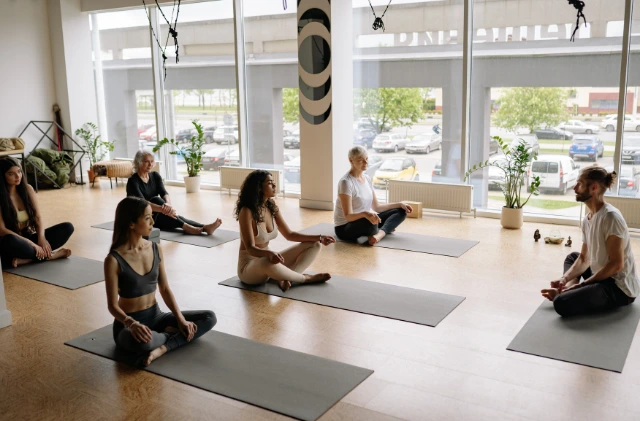
You may also benefit from guided sessions where teachers can explain the practice and answer questions.
Before booking, check whether:
- Beginners are specifically welcomed
- Sessions are guided
- Teachers are available for questions
- The programme explains what to expect
- The schedule allows time to adjust
If You Already Meditate
You may be looking for something different.
Perhaps you want longer periods of practice, more silence, a particular meditation tradition or simply an environment where you can maintain a routine without the distractions of everyday life.
Knowing where you are in your practice helps you avoid choosing a retreat that is either too basic or unnecessarily demanding.
Understand What Kind of Meditation Is Being Taught
“Meditation retreat” is a broad term.
Different programmes may draw from different traditions and approaches, including mindfulness, yogic meditation, breath awareness, contemplative practices or other forms of guided meditation.
Before booking, find out:
- What type of meditation is practised?
- Is it guided or self-directed?
- How long are the sessions?
- Is the practice suitable for beginners?
- Are other practices such as yoga or breathwork included?
- What tradition or philosophy informs the practice?
You don’t need to choose a retreat simply because it offers the most techniques.
Sometimes a consistent approach is more useful than constantly switching between practices.
Look at the Daily Schedule
The schedule can tell you a lot about the retreat.
Some meditation retreats in India follow a highly structured routine, with meditation sessions beginning early in the morning and continuing throughout the day.
Others may combine meditation with yoga, nature walks, Ayurveda, meals and personal time.
Think about what you would actually enjoy.
If you want an immersive practice, a structured schedule may help you stay focused.
If your main intention is to slow down and recover from a busy routine, you may prefer a retreat with more space between sessions.
A retreat should give you enough structure to support your practice without making the experience feel overwhelming.
Does the Retreat Include Silence?
Silence can be an important part of some meditation retreats, but it is not appropriate for everyone or every programme.
If silence is included, find out how it works.
Ask:
- Is silence maintained throughout the entire retreat?
- Is it required only during certain periods?
- Are meals taken in silence?
- Can you speak with teachers when you need guidance?
- Are there specific times when conversation is permitted?
Knowing these details beforehand can help you decide whether the experience is right for you.
Consider the Teacher and Guidance
A meditation retreat can be challenging when you are left wondering whether you are practising correctly.
Look for information about the people leading the programme and how they teach.
Consider:
- Their experience and background
- The meditation tradition they follow
- Whether sessions are guided
- Whether questions are encouraged
- Whether individual guidance is available
- How the programme supports different experience levels
You don’t necessarily need a retreat with a famous teacher.
Clear instruction and an approach that suits your level can be much more valuable.
Think About the Setting
Meditation can be practised almost anywhere, but your surroundings can influence your ability to settle into a routine.
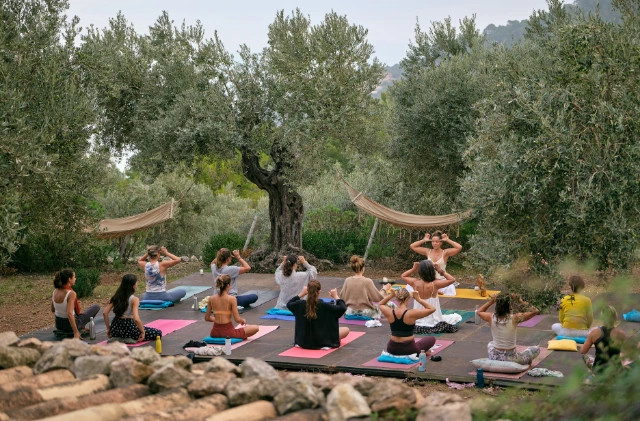
India offers meditation retreats in many different environments, from mountains and forests to coastal and rural settings.
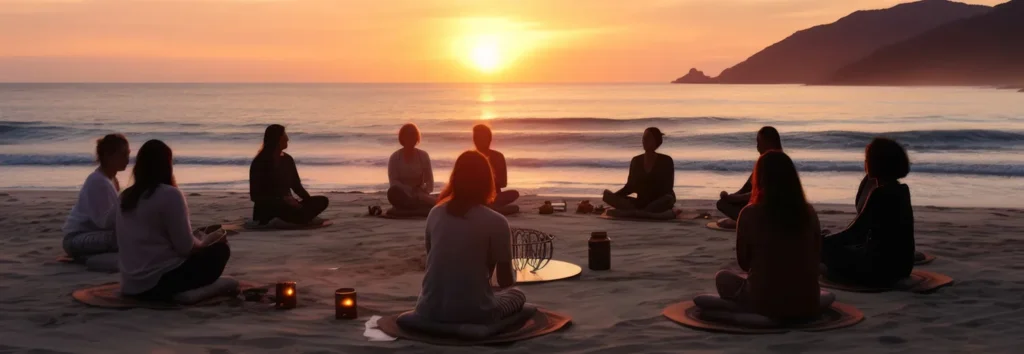
For some people, being away from busy cities and familiar responsibilities makes it easier to focus inward.
Rishikesh is particularly relevant for travellers interested in meditation because of its long association with yoga, spiritual traditions and contemplative practices.
The setting, however, should support the programme rather than replace it.
A beautiful location cannot compensate for a meditation programme that does not match your expectations.
Look Beyond Meditation
You may also want to consider what happens outside the meditation sessions.
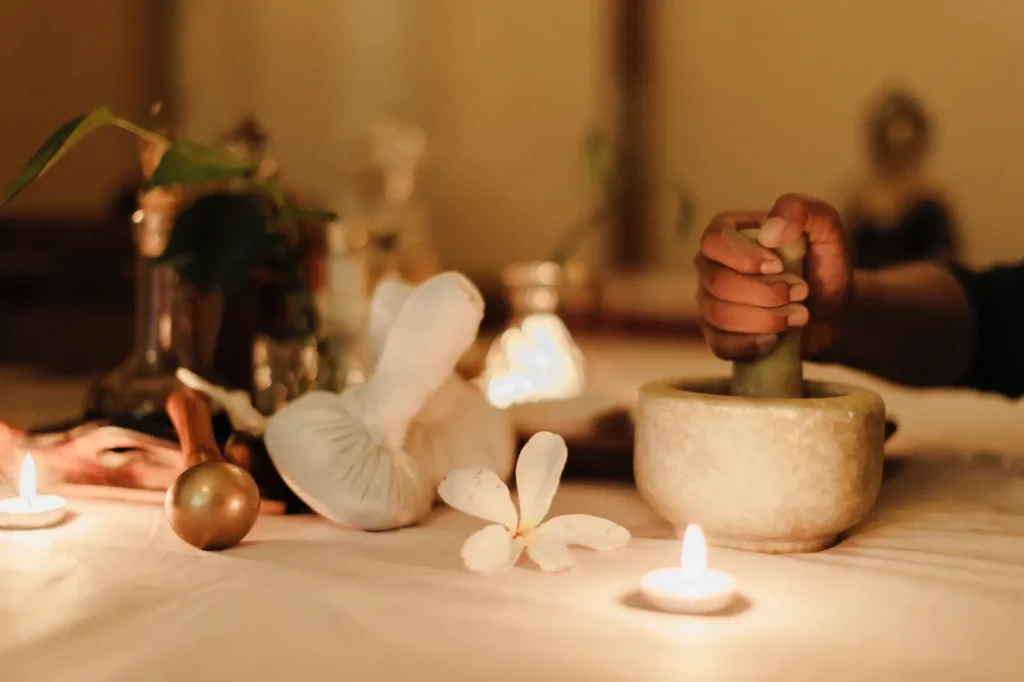
Some retreats include yoga, Ayurveda, breathwork, nature, mindful meals or other wellness practices.
This can be helpful if you want a broader experience.
For example, someone who spends long periods sitting in meditation may appreciate gentle yoga or time outdoors during the day.
On the other hand, if you want a retreat focused almost entirely on meditation, a programme packed with other activities may not be what you’re looking for.
The right balance depends on your intention.
How Long Should a Meditation Retreat Be?
There is no universal answer.
A shorter retreat can be a good introduction if you have never attended one before.
A longer stay may give you more time to settle into the rhythm of the programme and spend longer periods in practice.
Don’t assume that longer automatically means better.
If you are new to retreats, starting with a manageable programme may give you a better idea of what works for you before committing to a longer stay.
What Should You Check Before Booking?
Before paying for a retreat, check the practical details.
Ask:
- What meditation practices are taught?
- Is the programme suitable for beginners?
- How many hours of meditation are scheduled?
- Is silence required?
- Who leads the sessions?
- Is individual guidance available?
- What accommodation is provided?
- Are meals included?
- How much personal time is available?
- Are there additional activities or treatments?
- What is included in the price?
- Are there any additional charges?
These questions can save you from choosing a retreat based only on attractive photographs and general descriptions.
A Broader Meditation and Wellness Experience at Sattva
For travellers looking for meditation alongside other traditional wellness practices, Sattva Retreat near Rishikesh offers an integrated approach that brings together yoga, meditation, Ayurveda, nature and mindful nourishment.
Its wellness programmes include options such as Panchakarma, Rasa Ayur Cleanse and Customised Wellness Retreats, allowing guests to choose different approaches depending on their goals.
This can suit someone who doesn’t want meditation to exist in isolation but would rather explore it as part of a wider wellness experience.
If meditation is your primary focus, however, look carefully at the specific programme and schedule before booking so you know how much dedicated meditation practice is included.
Finding the Right Meditation Retreat in India
There is no single meditation retreat that will suit everyone.
A beginner may need patient instruction and a gentle introduction.
Someone with an established practice may want more silence and longer periods of meditation.
Some people want meditation to be the centre of the entire retreat.
Others prefer to combine it with yoga, Ayurveda, nature and time for rest.
That is why choosing among meditation retreats in India should start with your own practice rather than someone else’s idea of what a retreat should be.
Find a programme that fits your experience, gives you the level of guidance you need and creates enough space for you to actually practise.
Frequently Asked Questions
What should I look for in meditation retreats in India?
Consider the meditation tradition, teacher, daily schedule, experience level, amount of guidance, silence requirements, accommodation, food and personal time.
Are meditation retreats in India suitable for beginners?
Many retreats welcome beginners, but the level of instruction varies. Check the programme before booking and choose one that clearly explains how beginners are supported.
How long should I attend a meditation retreat?
A shorter retreat can be a useful introduction, while longer programmes can provide more time to settle into a consistent practice. Choose a duration that matches your experience and goals.
Do meditation retreats include yoga?
Some do, while others focus primarily on meditation. If yoga is important to you, check the programme details before booking.
Is Rishikesh a good place for a meditation retreat?
Rishikesh has a strong connection with yoga, meditation and spiritual traditions, making it a popular destination for people interested in contemplative practices.
Can meditation retreats include Ayurveda?
Yes. Some retreats combine meditation with Ayurveda, yoga, nutrition and other wellness practices. The level of Ayurvedic involvement varies between programmes.
Final Thought
A good meditation retreat should give you enough guidance to learn, enough structure to stay focused and enough quiet to develop your own practice.
When comparing meditation retreats in India, don’t choose simply because a retreat looks peaceful in photographs. Look at what is actually taught, who guides it and how the programme fits the way you want to practise.
If you’re looking for meditation alongside yoga, Ayurveda and a nature-focused wellness experience, Sattva Retreat near Rishikesh offers several programmes worth exploring.
Explore Sattva’s wellness programmes and find an experience that fits your goals.