
What to Know Before Starting Panchakarma Treatment in Rishikesh
If you are considering Panchakarma treatment in Rishikesh, it is worth understanding what the process involves before choosing a programme.
Within Ayurveda, Panchakarma refers to a group of traditional therapeutic procedures associated with a structured purification approach. It is not simply a spa treatment or a short relaxation experience. Depending on the individual and the programme, the process may involve consultation, preparation, specific Ayurvedic therapies, dietary guidance and periods of rest.
That is why choosing a Panchakarma programme should begin with understanding what you are signing up for, who will guide it and how the programme is designed.
Rishikesh can be an appealing setting for this type of experience because of its long association with yoga, meditation and traditional Indian practices. However, the destination is only one part of the decision. The quality of the guidance, programme structure and suitability of the approach for you are equally important.
What Is Panchakarma?
Within the Ayurvedic system, Panchakarma refers to five traditional therapeutic procedures.
The Ministry of AYUSH identifies these as:
- Vamana – therapeutic emesis
- Virechana – therapeutic purgation
- Basti – medicated enema therapy
- Nasya – administration of medicines through the nasal route
- Raktamokshana – bloodletting
These procedures are not necessarily performed together or given to every person. The approach can depend on an individual’s assessment, practitioner recommendations and the programme being followed.
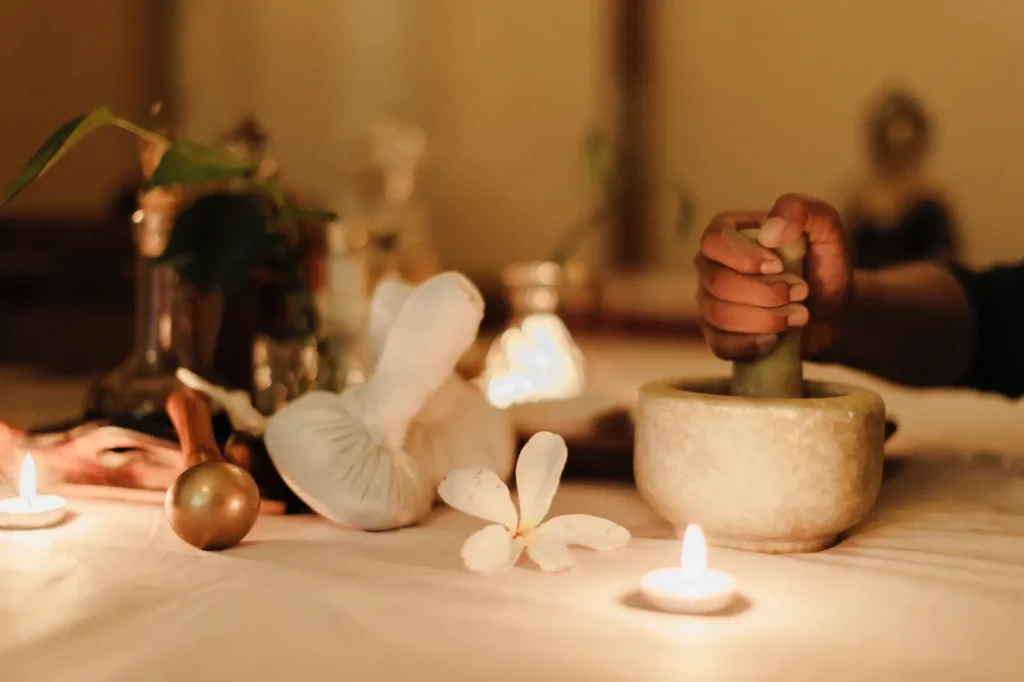
Traditional Panchakarma frameworks may also include preparatory stages, such as oleation and sudation, before the principal procedures.
This distinction is important when comparing programmes. A centre may offer many Ayurvedic therapies, but that does not mean every therapy is one of the five classical Panchakarma procedures.
Panchakarma Is More Than a Single Treatment
One of the easiest misconceptions about Panchakarma is to think of it as a single treatment.
In traditional Ayurvedic practice, it can involve different stages. Preparatory practices may be used before the principal procedures, followed by appropriate post-treatment care.
The exact sequence and duration can vary according to the individual and the programme.
At Sattva, the current Panchakarma programme describes an Ayurvedic assessment and pulse diagnosis, followed by personalised treatment planning and preparatory practices such as internal and external oleation. The programme also incorporates yoga therapy, nature immersion and conscious nourishment.
This is why it is useful to ask a centre to explain the complete programme, rather than looking only at a list of individual treatments.
Why the Initial Consultation Matters
A Panchakarma programme should not be approached as a standard package where every guest receives exactly the same experience.
The initial consultation provides an opportunity for the Ayurvedic practitioner to understand the individual and determine an appropriate approach within the programme.
Before starting, you may want to ask:
- Who conducts the consultation?
- What information will be considered?
- How is the programme personalised?
- Which therapies are recommended?
- What preparation is required?
- What dietary guidance will be provided?
- How will the programme be monitored?
At Sattva, the Panchakarma programme describes personalised Ayurvedic assessment, pulse diagnosis and treatment planning as part of the experience.
If you have a medical condition, are pregnant or breastfeeding, are recovering from surgery, or are taking prescription medicines, discuss Panchakarma with your healthcare professional before beginning a programme. You should also provide the Ayurvedic practitioner with accurate information about your health history and current medicines.
What Happens Before Panchakarma?
Preparation can be an important part of the traditional Panchakarma process.
Ayurvedic resources describe preparatory practices, including oleation and sudation, before the principal procedures. The preparation used in a particular programme may depend on the individual’s assessment and the approach being followed.
At Sattva, the current Panchakarma programme includes internal and external oleation as part of its preparatory approach.
Before arriving, ask the centre:
- Do I need to follow any preparation at home?
- Will there be an assessment when I arrive?
- Are there dietary instructions before the programme?
- What should I bring?
- Should I change any part of my normal routine before arrival?
Knowing what to expect can make the transition into the programme easier.
What Therapies May Be Included?
The therapies included in a Panchakarma programme can vary.
It is useful to distinguish between the five classical Panchakarma procedures and other Ayurvedic therapies that may be used before, alongside or after them.
Depending on the programme, you may encounter therapies such as:
- Oleation
- Swedana or therapeutic sweating
- Abhyanga
- Shirodhara
- Basti
- Nasya
- Other Ayurvedic supportive therapies
Not every therapy is appropriate for every person, and not every treatment offered by a wellness centre forms part of its Panchakarma programme.
Sattva’s current spa and therapy information identifies certain treatments as Panchakarma support and preparatory therapies, including Shirodhara, Takradhara, Pichu and Shiro Pichu.
So when comparing programmes, do not rely only on a treatment menu.
Ask for the actual Panchakarma programme itinerary and understand which therapies are included in your specific programme.
Food and Daily Routine During Panchakarma
Food and routine can become an important part of the experience.
Depending on the programme and practitioner recommendations, you may receive dietary guidance during different stages of your stay.
Rather than assuming that every Panchakarma programme follows the same diet, ask what your particular programme involves.
At Sattva, nourishment is part of the broader retreat environment, with the property describing its food as organic and locally sourced and its approach as centred on nourishing meals.
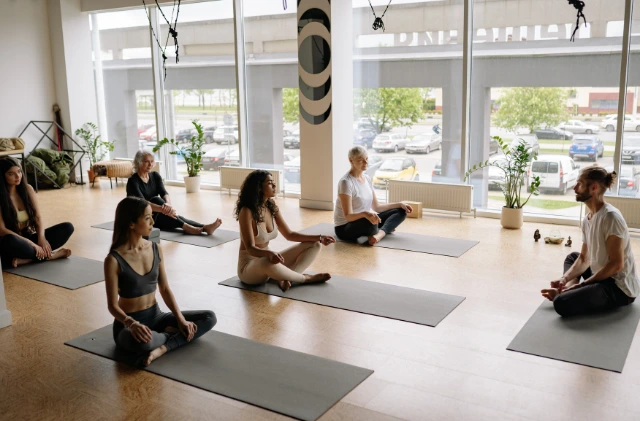
Your daily schedule may also include periods of rest, yoga, meditation or other supportive practices.
For this reason, it is worth leaving enough space in your itinerary rather than planning a Panchakarma programme around constant sightseeing or a tightly packed travel schedule.
How Long Does Panchakarma Take?
There is no single duration that applies to every Panchakarma programme.
The length can depend on factors such as:
- The programme being offered
- Individual assessment
- Preparation requirements
- Therapies included
- Practitioner recommendations
- Post-treatment guidance
A longer programme is not automatically better, and a shorter one is not automatically more suitable.
Instead of choosing based only on duration, ask the centre to explain what the programme includes and why that duration has been recommended.
What Should You Look for in Panchakarma Treatment in Rishikesh?
If you are comparing different centres, look beyond the location.
Qualified Ayurvedic Guidance
Find out who conducts the consultation and who is responsible for guiding the programme.
Individual Assessment
Ask how your programme is determined and whether the approach is adapted according to your consultation.
Clear Programme Structure
You should understand what happens before, during and after the main therapies.
Transparent Inclusions
Find out exactly which consultations, therapies, meals, accommodation and other services are included.
Appropriate Accommodation
If the programme lasts several days, your accommodation and surroundings become part of the experience.
What Makes Rishikesh Relevant for Panchakarma?
Rishikesh is widely associated with yoga and meditation and has become an established destination for people exploring traditional Indian wellness practices.
Its Himalayan setting and connection with the Ganga also create an environment that many travellers associate with retreat, reflection, and time away from everyday routines.
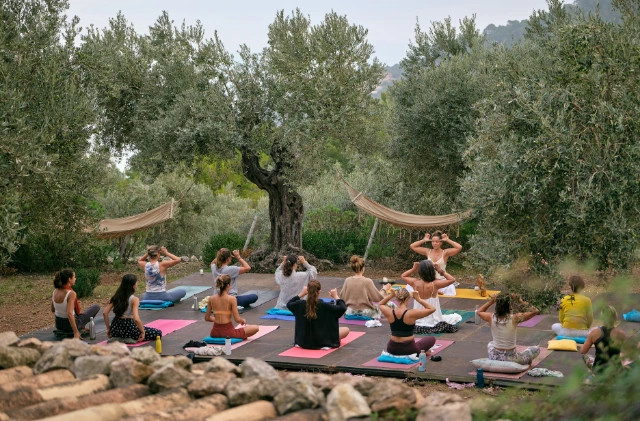
For someone interested in experiencing Ayurveda alongside yoga, meditation, nature and a quieter daily rhythm, Panchakarma treatment in Rishikesh can be part of a broader stay.
Sattva Retreat is located in the Himalayan landscape near Rishikesh and brings together accommodation, Ayurveda, yoga, meditation, nature and nourishment. Its current offering includes Panchakarma, Rasa Ayur Cleanse and customised wellness programmes.
The setting can contribute to the experience, but it should not be the main reason you choose a programme.
The programme itself, the guidance provided, and its suitability for you remain the more important considerations.
What Is the Sattva Approach to Panchakarma?
At Sattva, Panchakarma is presented as part of a broader Ayurvedic wellness journey rather than as an isolated spa treatment.
The current programme information describes personalised Ayurvedic assessment and treatment planning, preparatory practices, Panchakarma therapies and supportive elements including yoga therapy, nature immersion and conscious nourishment.
Sattva’s wider Ayurvedic spa and therapy offering also includes treatments that can complement or support Panchakarma, while its accommodation and Himalayan setting provide space for rest between scheduled practices.
For someone considering Panchakarma in Rishikesh, this distinction is useful.
The experience can involve more than the therapies themselves. The consultation, preparation, daily rhythm, food, surroundings, and support around the programme all contribute to the stay.
What Should You Ask Before Booking?
Before committing to a Panchakarma programme, ask:
- Will I have an Ayurvedic consultation before treatment begins?
- Who will assess and guide my programme?
- Which therapies are included?
- Which therapies are preparatory or supportive?
- How is the programme personalised?
- What preparation is required?
- What dietary guidance should I expect?
- How long is the programme?
- How much rest or personal time is available?
- What should I avoid during the programme?
- What happens after the main treatment phase?
- Are any therapies, consultations or services charged separately?
- What are the booking and cancellation terms?
Clear answers to these questions can tell you a great deal about how thoughtfully a programme has been designed.
When Should You Speak to Your Healthcare Professional?
Panchakarma involves therapeutic procedures, and some procedures can be physically intensive.
If you have an existing medical condition, are taking prescription medication, are pregnant or breastfeeding, are recovering from surgery, or have another health concern, speak with your healthcare professional before booking.
You should also tell the Ayurvedic practitioner about relevant health conditions, allergies, medicines and other treatments you are receiving.
Do not stop or change prescribed medication simply because you are starting an Ayurvedic programme.
The safest approach is to make sure everyone involved understands your current health situation before the programme begins.
Get Started With Your Wellness Journey
Ready to explore a yoga retreat that fits your goals?
- 📞 Call or WhatsApp: +91 81910 55551
- 🌐 Visit: https://thesattva.com/
Frequently Asked Questions
1. What is Panchakarma treatment?
Within Ayurveda, Panchakarma refers to five traditional therapeutic procedures: Vamana, Virechana, Basti, Nasya and Raktamokshana. A Panchakarma programme may also involve preparatory and supportive practices, and not every person undergoes all five procedures.
2. Is Panchakarma suitable for everyone?
Not necessarily. The appropriate approach depends on the individual and the programme being followed. If you have a medical condition, take prescription medication, are pregnant or have other health concerns, discuss Panchakarma with your healthcare professional before starting.
3. How long does Panchakarma treatment in Rishikesh take?
There is no universal duration. The length can depend on the programme, individual assessment, preparation, therapies and practitioner recommendations.
4. What should I expect before starting Panchakarma?
Depending on the programme, you may first have an Ayurvedic consultation and assessment, followed by preparatory practices, dietary guidance and other recommendations before the principal therapies begin. Sattva’s current Panchakarma programme includes personalised assessment, pulse diagnosis and preparatory oleation practices.
5. What therapies can be part of a Panchakarma programme?
The exact therapies vary. A programme may involve classical Panchakarma procedures as well as preparatory or supportive Ayurvedic therapies. These should be determined according to the programme and individual assessment rather than assumed from a centre’s general treatment menu.
6. Can beginners undergo Panchakarma?
Previous experience with Ayurveda is not necessarily required. However, a suitable programme should begin with an appropriate consultation and a clear explanation of what the process involves.
7. How do I choose Panchakarma treatment in Rishikesh?
Look for clear programme information, qualified Ayurvedic guidance, individual assessment, transparent inclusions, appropriate accommodation and realistic communication about what the programme involves. Ask for the full itinerary before booking.
Final thought
The right yoga retreat is not the one with the most classes, the most luxurious setting or the longest schedule. It is the one that gives you the right space, guidance, and environment for what you need right now.