
How to Choose the Right Yoga Retreat in India for Your Goals
Choosing among the many yoga retreats in India can be harder than it sounds.
Some retreats focus mainly on physical yoga practice. Others combine yoga with meditation, Ayurveda, nature and broader wellness practices. Some follow a structured daily schedule, while others leave more room for rest, personal practice and reflection.
The challenge is not simply finding a yoga retreat. It is finding an experience that matches where you are now, what you want to experience and how you want to spend your time away.
A beautiful location can certainly enhance a retreat, but it should not be the only reason you choose one. The teaching approach, programme structure, level of practice, surrounding environment and balance between activity and stillness can all shape your experience.
Before comparing retreats, start with one simple question:
What do I want to experience through this retreat?
Once you know the answer, choosing becomes much easier.
Begin With Your Intention
People come to yoga retreats with very different intentions.
You may want to:
- Establish a more consistent yoga practice
- Explore yoga for the first time
- Deepen an existing practice
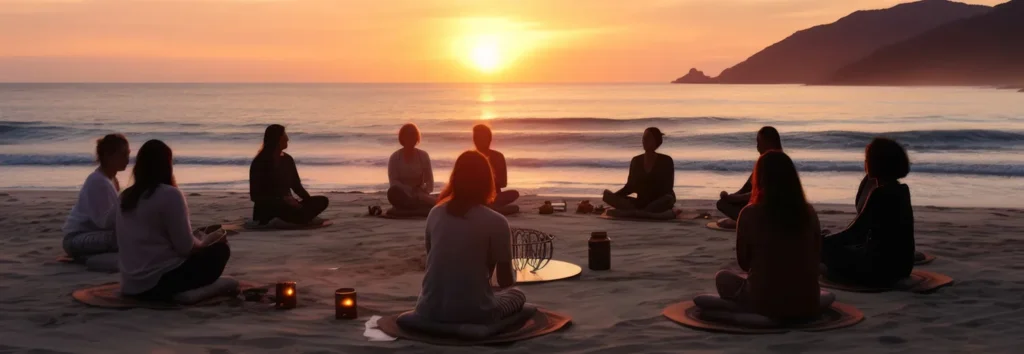
- Spend more time in meditation
- Explore yogic philosophy and inner practices
- Step away from a demanding routine
- Create more space for reflection
- Experience yoga alongside Ayurveda and other wellness practices
Your intention does not need to be complicated.
You may simply want a few days where life feels quieter and more intentional.
What matters is choosing a retreat that supports that intention rather than selecting a programme simply because it looks impressive online.
Consider Where You Are in Your Yoga Practice
A good retreat should meet you at an appropriate level.
Ayurveda Retreats
Beginners may benefit from clear guidance, accessible practices and teachers who create space to learn without pressure.
Look for a programme that clearly explains the level of its sessions rather than assuming that every guest already understands yoga.
You may also want to check whether modifications are offered and whether you can practise at a comfortable pace.
If You Already Practise Regularly
You may want to explore yoga in greater depth, spend more time with meditation or experience a different approach from the one you follow at home.
In this case, consider:
- Teaching style
- Programme philosophy
- Yoga traditions or styles
- Meditation practices
- Opportunities for personal practice
If Yoga Is Already an Established Part of Your Life
You may be looking for something beyond additional physical practice.
A retreat can provide an opportunity to explore meditation, breath-led practices, yogic kriyas, reflection and other aspects of a more holistic yoga experience.
The goal is not necessarily to find the most demanding retreat. It is to find one that provides the kind of depth you are looking for.
Look at the Yoga Experience, Not Just the Number of Classes
A retreat offering three yoga sessions a day is not automatically better than one offering one.
What matters is what those sessions are designed to give you.
Before booking, find out:
- Which yoga traditions or styles are practised
- Whether sessions are gentle, dynamic or therapeutic
- How much guidance is provided
- Whether meditation or breath awareness is included
- Whether there is time for personal practice
- Whether the programme is designed around a particular intention
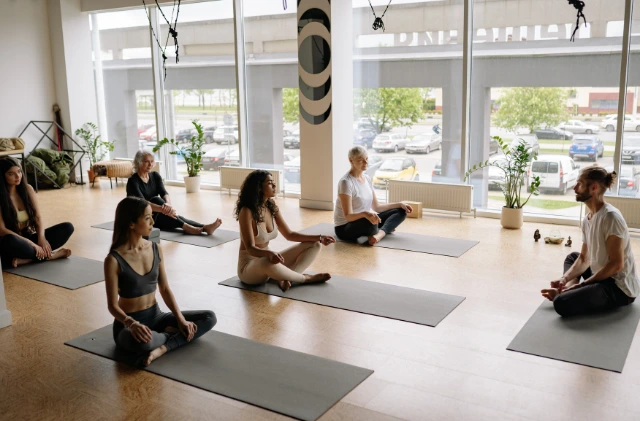
Yoga at a retreat can be much more than a sequence of physical postures.
At Sattva, daily life is anchored in yoga, meditation and breath-led practices, with sessions that may include gentle yoga, therapeutic movement, yogic kriyas, silent sitting and guided reflection. These practices form part of the wider retreat experience rather than existing in isolation.
Decide What Kind of Retreat Rhythm Suits You
Not every retreat needs to follow the same rhythm.
Some people feel most comfortable with a structured programme where the day has a clear flow. Others need more freedom between practices to rest, walk, read or simply be.
A More Structured Experience
A structured programme may suit you if you want:
- Set yoga and meditation sessions
- A consistent daily routine
- Guided wellness activities
- Less time spent planning your day
- A stronger sense of immersion
This can be useful if your main goal is to establish a routine or dedicate yourself to a particular practice.
A More Spacious Experience
A more flexible retreat may suit you if your main intention is to slow down.
You may prefer:
- Fewer scheduled activities
- Time for personal practice
- Nature walks
- Reading or journaling
- Quiet reflection
- Rest without a fixed agenda
There is value in both approaches.
A retreat should not simply replace a busy work schedule with a busy wellness schedule.
Think About the Setting You Need
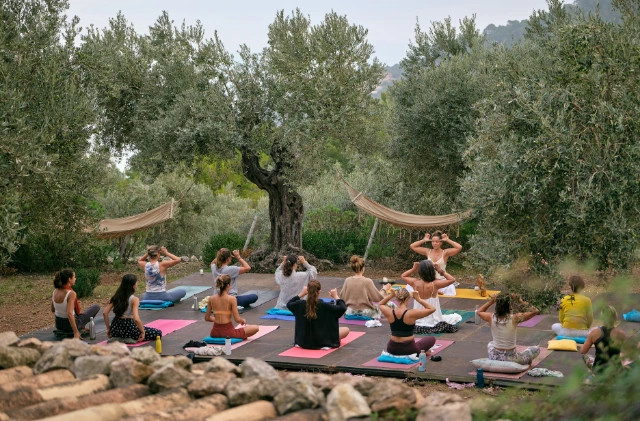
The environment around you can influence how easily you settle into a retreat.
India offers very different settings for yoga retreats, from coastal destinations and countryside locations to Himalayan surroundings.
For travellers looking for a place with a strong connection to yoga and meditation, Rishikesh is an especially significant destination.
The Himalayan foothills, the Ganga and the area’s long association with yoga and spiritual traditions create an environment that many travellers seek when they want their retreat to feel removed from everyday life.
But choosing Rishikesh is only part of the decision.
Consider whether the individual retreat provides the environment you actually want whether that means quiet, nature, comfort, community, traditional practices or simply space to slow down.
Consider What Exists Around the Yoga Practice
Yoga does not have to be the only element of a retreat.
For some people, the most meaningful experience comes from the relationship between yoga and everything around it.
That might include:
- Meditation
- Breath awareness
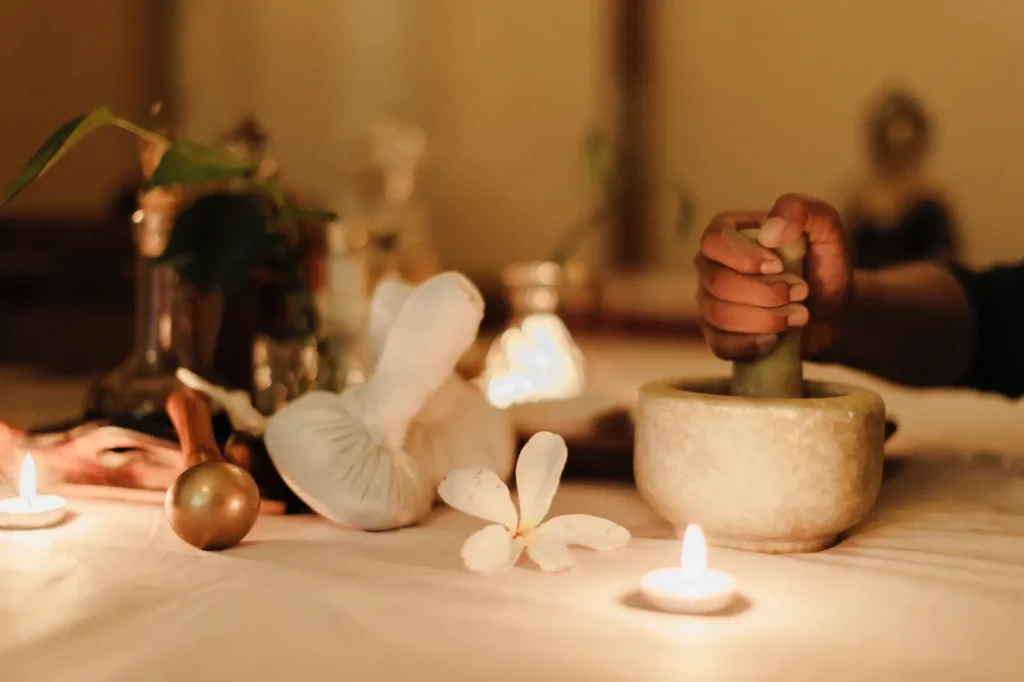
- Ayurveda
- Nourishing food
- Nature
- Reflection
- Rest
- Traditional rituals
- Time away from digital distractions
This broader approach can be particularly relevant if you are not travelling simply to improve your physical yoga practice, but to create a different rhythm for a few days.
At Sattva, yoga and meditation sit within a wider approach to wellbeing that includes Ayurvedic programmes, nature immersion, nourishing sattvic meals and space for quiet reflection.
When Does Ayurveda Make Sense?
Yoga and Ayurveda are often experienced together, but they are not the same thing.
If your primary goal is to deepen your yoga practice, a yoga-focused retreat may be enough.
If you are also interested in traditional Ayurvedic approaches to wellbeing, you may prefer a retreat where Ayurveda is integrated into the wider experience.
The important question is how deeply Ayurveda is incorporated.
There is a difference between a retreat that offers an occasional Ayurvedic treatment and one where Ayurveda forms the foundation of a structured wellness programme.
At Sattva, Ayurveda is central to its wellness programmes, with options including Panchakarma, Rasa Ayur Cleanse and customised wellness journeys. These programmes are supported by yoga, meditation, nature immersion and conscious nourishment.
This distinction matters because you are not simply choosing between “yoga” and “Ayurveda.” You are choosing how much of each you want to be part of your experience.
Pay Attention to the Teacher and Teaching Approach
A retreat can have a beautiful location and carefully designed accommodation, but the teaching experience still matters.
Before booking, look for information about:
- Who leads the yoga sessions
- Their teaching experience
- The yoga traditions or approaches they follow
- Whether sessions are accessible to your level
- How much individual guidance is available
- Whether the teaching style matches your intention
You do not necessarily need the retreat with the longest list of qualifications.
A teacher who can meet you where you are may be more valuable than an impressive description that does not match your needs.
Give Yourself Space Beyond the Practice
One of the most valuable parts of a retreat can be the time when nothing is scheduled.
After a yoga session, you may want to walk through the surrounding landscape rather than immediately move into the next activity.
You may want to:
- Read
- Journal
- Sit quietly
- Enjoy a meal slowly
- Spend time in nature
- Simply rest
This unstructured time is not an absence of wellness.
It can be part of the experience itself.
At Sattva, guests can spend time walking through nature, reading, journaling, relaxing in the gardens or simply allowing the day to unfold without constant activity.
For someone arriving exhausted from a demanding routine, that space may be just as important as scheduled yoga practice.
Think About Food and Daily Nourishment
Food can influence how you experience a retreat, particularly when your days include yoga, meditation and other wellness practices.
Before booking, consider:
- What style of food is served
- Whether meals are included
- Whether dietary requirements can be accommodated
- How food fits into the retreat philosophy
- Whether refreshments and herbal drinks are available
At Sattva, food is treated as part of the retreat experience rather than simply accommodation catering. Its meals are described as sattvic, seasonal and prepared with fresh, locally sourced ingredients, with an emphasis on mindful nourishment.
This approach can complement a slower retreat rhythm, particularly for guests who want their daily routines to feel more intentional.
Decide How Much Structure You Actually Need
Before booking, ask yourself one more question:
Do I want someone to design my days for me, or do I want space to design some of them myself?
There is no wrong answer.
A structured programme can help when you want to establish a routine or immerse yourself in a particular practice.
A more flexible stay may be better if you are looking for rest, nature and personal space.
Sattva offers both structured wellness programmes and a Bed & Breakfast option for guests who want to experience the setting without committing to a structured wellness programme.
That distinction is worth considering because your ideal retreat may not look like a timetable filled from morning to evening.
What Should You Check Before Booking?
Once you know what you want from the retreat, the practical questions become easier.
Before confirming your stay, check:
- What type of yoga is taught?
- Is the programme suitable for your experience level?
- Who leads the sessions?
- How much yoga and meditation are included?
- How much unstructured time is available?
- Are meals and accommodation included?
- Are Ayurvedic therapies or consultations included?
- Are additional activities charged separately?
- What happens if you need to change or cancel your booking?
- Does the overall environment match the experience you want?
These details may seem small when you are looking at photographs online, but they can make a significant difference once you arrive.
Finding Your Yoga Retreat in India
The right yoga retreat is not necessarily the one with the most classes, the most luxurious setting or the longest programme.
It is the one that gives you the right conditions for your intention.
If you are beginning your practice, look for patience and accessibility.
If you are already experienced, look for depth.
If you are tired, consider whether you really need a highly structured schedule.
And if you want yoga to become part of a broader wellness experience, look for a retreat where meditation, Ayurveda, nourishment and nature are thoughtfully integrated.
For travellers drawn to yoga and meditation in a Himalayan setting, Rishikesh offers a distinctive environment.
At Sattva Retreat, the experience extends beyond scheduled practices into a slower way of living, bringing together yoga, meditation, Ayurveda, nourishing food, nature and space for reflection.
Ultimately, the question is not:
“Which yoga retreat in India is the best?”
It is:
“Which retreat gives me the space, guidance and environment I need right now?”
That is where the right retreat begins.
Explore Sattva’s yoga and wellness programmes to find an experience that matches your goals and preferred retreat style.
Get Started With Your Wellness Journey
Ready to explore a yoga retreat that fits your goals?
- 📞 Call or WhatsApp: +91 81910 55551
- 🌐 Visit: https://thesattva.com/
Frequently Asked Questions
1. How do I choose the right yoga retreat in India?
Start with your intention, experience level, and preferred retreat rhythm. Then consider the yoga style, teachers, programme structure, setting, accommodation, meals and any additional wellness practices included.
2. Are yoga retreats in India suitable for beginners?
Many yoga retreats welcome beginners, but programmes differ. Check the experience level required and whether the teaching approach provides suitable guidance for someone new to yoga.
3. What should I look for in a yoga retreat teacher?
Consider the teacher’s experience, teaching approach, yoga tradition or styles, level of personal guidance, and whether their approach matches your goals.
4. How much yoga should I expect at a retreat?
There is no standard amount. Some retreats have several daily sessions, while others include fewer practices alongside meditation, Ayurveda, nature, and personal time. The right amount depends on your intention and experience level.
5. Why is Rishikesh popular for yoga retreats?
Rishikesh has a long association with yoga and meditation and is situated among the Himalayan foothills along the Ganga. Its natural surroundings and connection with these traditions make it a popular setting for yoga and wellness experiences.
6. Can a yoga retreat also include Ayurveda and meditation?
Yes. Some retreats combine yoga with meditation and Ayurveda as part of a broader wellness experience. However, the depth of these offerings varies, so check the programme details before booking.
7. Does Sattva Retreat offer yoga and meditation for beginners?
Sattva’s retreat information states that its programmes and sessions are designed to accommodate different experience levels, including guests who are new to yoga or meditation.
Final thought
The right yoga retreat is not the one with the most classes, the most luxurious setting or the longest schedule. It is the one that gives you the right space, guidance, and environment for what you need right now.