
Best Wellness Retreats in India: What to Expect & How to Choose
Choosing a wellness retreat in India can be surprisingly difficult. There are retreats focused on yoga, meditation, Ayurveda, Panchakarma, nature, relaxation, and holistic wellbeing. Some offer highly structured programmes, while others give guests more freedom to rest, explore and create their own routine.
The challenge is not simply finding a retreat. It is finding the right retreat for your goals, experience level, preferred programme and expectations.
India offers a diverse range of wellness experiences, from traditional Ayurvedic programmes to yoga and meditation retreats. Among these destinations, Rishikesh stands out for travellers interested in yoga, meditation, Ayurveda and spiritual traditions, while its Himalayan setting provides an environment away from the pace of everyday life.
So, what should you look for when choosing among the best wellness retreats in India?
This guide explains what to expect, the different types of retreats available, and the factors worth considering before you book.
What Is a Wellness Retreat?
A wellness retreat is a stay designed to give you time away from your normal routine while focusing on physical, mental, and emotional wellbeing.
Depending on the retreat and programme, your experience may include:
- Yoga and meditation
- Ayurveda and traditional wellness practices
- Wellness consultations
- Nutritious meals
- Breathwork and mindfulness
- Spa and relaxation experiences
- Nature activities
- Time for rest and reflection
Not every wellness retreat follows the same philosophy or schedule.
Some retreats are highly structured, with several sessions and activities throughout the day. Others provide a more flexible environment where guests can combine scheduled practices with personal time.
That is why the best wellness retreat in India is not necessarily the most expensive, the most luxurious, or the one offering the longest list of activities. It is the retreat that best matches what you are looking for.
Types of Wellness Retreats in India
Before comparing individual retreats, it helps to understand the different types of wellness experiences available.
Ayurveda Retreats
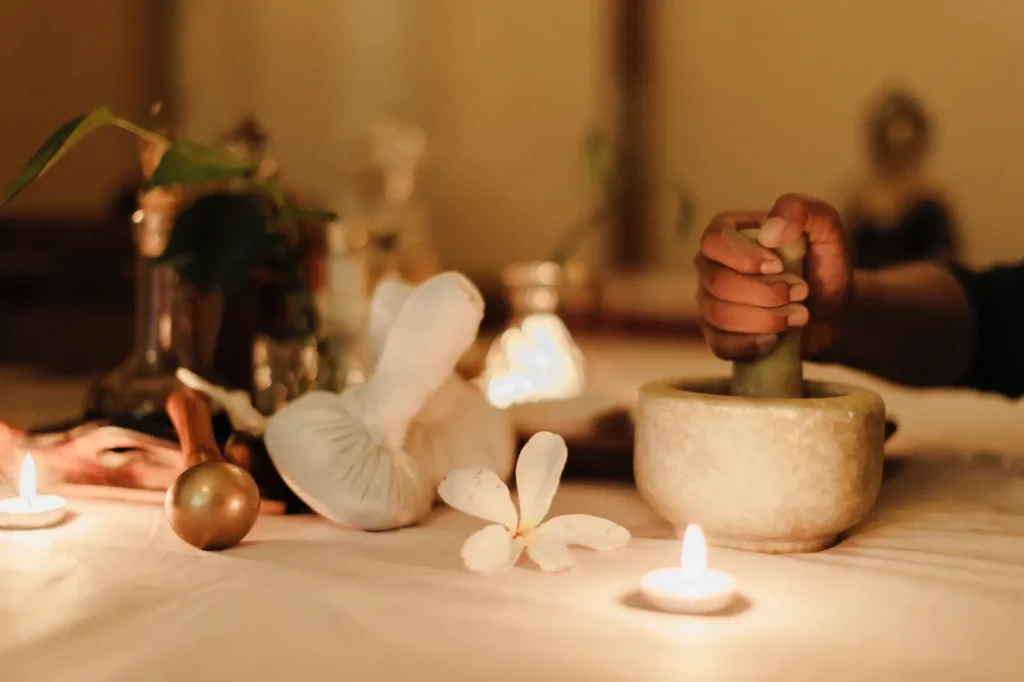
Ayurvedic retreats place greater emphasis on traditional Ayurvedic approaches to wellbeing. Depending on the programme, these may include consultations, therapies, food and lifestyle practices.
An Ayurveda-focused retreat may be suitable if you want your stay to revolve more specifically around Ayurvedic principles rather than general relaxation.
Before booking, check what the programme actually includes, how it is structured and what type of practitioner guidance is available.
Yoga Retreats
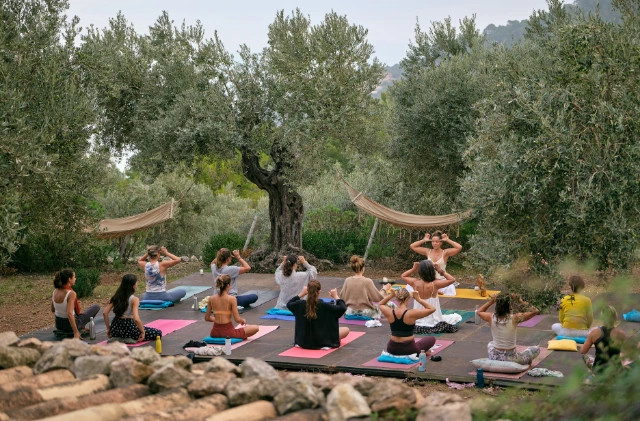
Yoga retreats are designed around regular yoga practice and may include meditation, breathwork and other related practices.
Some programmes are suitable for beginners, while others may be more intensive.
If yoga is your main reason for travelling, look at:
- The style of yoga offered
- Daily session frequency
- Experience level required
- Whether personal guidance is available
- How much free time is included
A retreat should match your current level rather than simply offering the most demanding schedule.
Meditation and Mindfulness Retreats
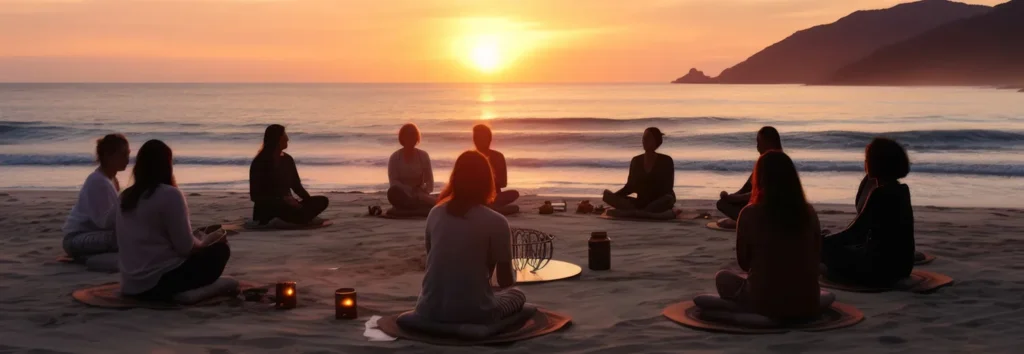
Meditation and mindfulness retreats generally place greater emphasis on stillness, awareness, reflection and developing a regular practice.
Some follow a structured daily schedule, while others provide a quieter environment with more personal time.
These retreats can appeal to travellers who want to step away from a busy routine and spend more time focusing inward.
Panchakarma Retreats
Panchakarma is a specialised Ayurvedic programme and should not simply be treated as another standard retreat activity.
If you are considering a Panchakarma programme, look carefully at:
- Programme duration
- Ayurvedic guidance
- Consultations
- Therapies included
- Daily schedule
- Food and lifestyle practices
- What is included in the package
Different programmes can vary significantly, so understanding the details before booking is important.
Holistic Wellness Retreats
Some retreats combine several approaches instead of focusing on a single discipline.
A holistic programme may bring together:
- Ayurveda
- Yoga
- Meditation
- Nourishing food
- Nature
- Relaxation
- Mindfulness
This type of retreat can be particularly appealing if you want a broader wellness experience rather than an intensive focus on one particular practice.
What to Expect at a Wellness Retreat
Your experience will depend on the retreat and programme you choose, but several elements are common across many wellness stays.
Yoga and Meditation
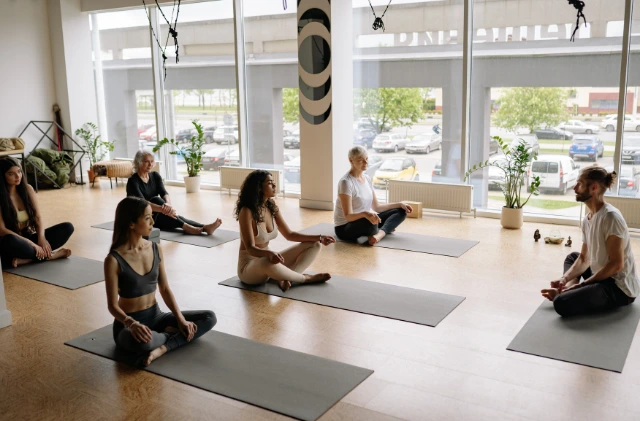
Yoga and meditation may form a central part of your daily routine or be offered alongside other wellness activities.
For beginners, it is worth checking whether sessions are suitable for different experience levels and whether participation can be adapted to your pace.
A good programme should provide enough structure to create a meaningful routine without making every moment of the day feel scheduled.
Ayurveda and Wellness Practices
Some wellness retreats incorporate Ayurveda through consultations, traditional therapies, food and lifestyle practices.
If Ayurveda is one of your main reasons for travelling, do not rely solely on the word “Ayurvedic” in a retreat description.
Read the programme carefully.
Find out what is actually included, how the programme is structured and what level of guidance you can expect.
Food and Nutrition
Food is often an important part of the overall retreat experience.
Wellness retreats may place emphasis on fresh, seasonal and thoughtfully prepared meals that complement the programme.
At Sattva Retreat, food forms part of the wider wellness experience, with sattvic, seasonal and locally sourced meals offered alongside its programmes.
If you have allergies, intolerances or specific dietary requirements, confirm what can be accommodated before booking.
Time to Slow Down
One of the most valuable differences between a retreat and an ordinary holiday is the opportunity to step away from your usual routine.
A retreat does not necessarily need to fill every hour with activities.
Time to:
- Walk through nature
- Read
- Sit outdoors
- Reflect
- Meditate
- Spend time quietly
- Simply rest
Can be just as meaningful as scheduled sessions.
The right balance between structured activities and personal time can make a significant difference to your overall experience.
How to Choose the Right Wellness Retreat in India
When comparing the best wellness retreats in India, look beyond photographs, luxury facilities, and marketing language.
The following factors can help you make a more informed decision.
1. Start With Your Goal
First, decide what you actually want from your retreat.
Are you looking for:
- Rest and relaxation?
- Yoga practice?
- Meditation?
- Ayurveda?
- Panchakarma?
- Rejuvenation?
- A healthier daily routine?
- Time away from work?
- A combination of several experiences?
Your answer will help narrow down the type of retreat that makes sense for you.
For example, someone looking for an intensive yoga experience may have very different requirements from someone primarily interested in Ayurveda, relaxation or spending time in nature.
2. Look at the Actual Programme
Do not choose a retreat based only on phrases such as “holistic wellness,” “transformative experience” or “complete rejuvenation.”
Look at what you will actually do each day.
Ask:
- How many yoga sessions are included?
- How often is meditation offered?
- Are consultations included?
- Are therapies included?
- What meals are provided?
- How much free time is available?
- Are activities optional or mandatory?
A clearly explained programme is much more useful than a long list of impressive-sounding promises.
3. Check the Experience Level
Not every retreat is designed for every traveller.
If you are new to yoga, meditation or wellness programmes, check whether the retreat welcomes beginners.
Look for information about:
- Beginner-friendly sessions
- Yoga style
- Daily activity levels
- Personal guidance
- Programme intensity
- Free time
The right retreat should provide an experience that feels meaningful without being unnecessarily overwhelming.
4. Understand What You Are Paying For
Two retreats can have similar prices but offer very different experiences.
Before booking, check whether your package includes:
- Accommodation
- Meals
- Yoga
- Meditation
- Consultations
- Therapies
- Transfers
- Activities
- Other services
Also check whether there are additional charges for treatments, activities or services that are not included in the main package.
Understanding the inclusions beforehand can help you compare retreats more accurately.
5. Consider the Location
The environment surrounding a retreat can be an important part of the experience.
Some travellers prefer beaches or forests. Others want mountains, rivers and a quieter natural setting.
For travellers interested in yoga, meditation and traditional wellness practices, Rishikesh is one of India’s most recognised destinations.
Its association with yoga and spiritual traditions, proximity to the Ganga, and Himalayan surroundings create a distinctive setting for a wellness stay.
Why Consider a Wellness Retreat in Rishikesh?
Rishikesh offers a combination that is difficult to replicate in a conventional city-based wellness experience.
The destination is strongly associated with yoga, meditation and spiritual traditions. Its natural surroundings also provide opportunities to step away from crowded urban environments and spend more time in a quieter setting.
For travellers interested in combining:
- Ayurveda
- Yoga
- Meditation
- Nourishing food
- Nature
- Rest and reflection
Rishikesh can be an appealing destination.
However, the destination alone does not determine whether a retreat is right for you.
The programme, guidance, accommodation, inclusions and overall approach still matter.
Why Consider Sattva Retreat?
For travellers looking for a wellness experience that brings together Ayurveda, yoga, meditation, nourishment and nature, Sattva Retreat offers several ways to approach a stay.
Its wellness programmes include Panchakarma, Rasa Ayur Cleanse and customised wellness retreats, allowing guests to choose an experience based on their individual preferences and intentions.
For those who do not want a highly structured wellness programme, a Bed & Breakfast stay provides a more flexible option.
This allows guests to use their time for rest, nature, self-guided practices, and exploring the surrounding environment.
Sattva’s approach brings together different elements of wellness rather than focusing exclusively on one practice. Guests can experience yoga, meditation, mindful nourishment and time in nature within the same setting.
This makes it relevant for travellers who want their retreat experience to feel personal rather than following a single fixed format.
How Long Should You Stay at a Wellness Retreat?
The right duration depends on your goal and the type of programme you choose.
A shorter stay may work well if you simply want to disconnect from your normal routine and experience a wellness environment.
A longer stay can provide more time to settle into a structured routine and experience a deeper programme.
When deciding how long to stay, consider:
- Your main objective
- Programme intensity
- Travel time
- Available holiday time
- Budget
- Amount of personal time you want
Do not assume that a longer retreat is automatically better. The right duration is the one that suits your circumstances and the programme you have chosen.
Questions to Ask Before Booking a Wellness Retreat
Before confirming your booking, ask the retreat:
- What exactly is included in the programme?
- Is the programme suitable for beginners?
- How many sessions are scheduled each day?
- Are consultations included?
- Are therapies included in the price?
- What type of food is provided?
- Can dietary requirements be accommodated?
- How much free time will I have?
- What type of accommodation is available?
- Are there additional charges?
- What is the cancellation or booking-change policy?
- Is the programme personalised or fixed?
These questions help you compare retreats based on the actual experience, rather than relying only on photographs or promotional descriptions.
The Best Wellness Retreat Is the One That Fits You
There is no single wellness retreat that will be perfect for everyone.
A traveller looking for an intensive yoga programme may want something completely different from someone interested in Ayurveda, meditation, rejuvenation, or simply taking a break from a demanding routine.
Instead of asking only:
“What is the best wellness retreat in India?”
ask:
“Which wellness retreat best matches what I need right now?”
Once you understand your priorities, comparing retreats becomes much easier.
Think about what matters most to you:
- Ayurveda
- Yoga
- Meditation
- Relaxation
- Rejuvenation
- Nature
- Food
- Personal guidance
- Programme flexibility
- Accommodation
For travellers looking to combine Ayurveda, yoga, meditation, nourishing food and a quieter Himalayan setting, Rishikesh is a destination worth exploring.
And for those seeking a more personalised wellness experience, Sattva Retreat offers different programme options, including Panchakarma, Rasa Ayur Cleanse, customised wellness retreats and flexible Bed & Breakfast stays.
Explore Sattva’s wellness programmes and choose the experience that best matches your intention for your stay.
Frequently Asked Questions
What should I look for in a wellness retreat in India?
Look at the programme, practices offered, accommodation, meals, location, duration, guidance, and what is included in the price. Most importantly, choose a retreat that matches your personal goals.
Are wellness retreats in India suitable for beginners?
Many wellness retreats welcome beginners, but programmes vary. Check whether the yoga, meditation and other activities are appropriate for your experience level before booking.
Why are wellness retreats in Rishikesh popular?
Rishikesh has a long association with yoga and meditation and offers a combination of traditional wellness practices and natural surroundings. Its Himalayan setting and proximity to the Ganga also make it an appealing destination for travellers seeking time away from a busy routine.
What is the difference between a wellness retreat and an Ayurvedic retreat?
A wellness retreat can combine several practices, including yoga, meditation, nutrition, nature and relaxation. An Ayurvedic retreat places greater emphasis on Ayurveda-based consultations, therapies, food and lifestyle practices.
What wellness programmes are available at Sattva Retreat?
Sattva Retreat offers several wellness approaches, including Panchakarma, Rasa Ayur Cleanse and customised wellness retreats. Guests looking for a less structured experience can also choose a Bed & Breakfast stay.
Do I need previous yoga or meditation experience to stay at Sattva Retreat?
No. Sattva’s programmes and practices accommodate different experience levels, including guests who are new to yoga or meditation.
Is Rishikesh a good destination for a wellness retreat?
Rishikesh can be a strong choice for travellers interested in yoga, meditation, Ayurveda and nature. However, the quality and suitability of the experience depend on the specific retreat, programme and inclusions you choose.
Final thought
The best wellness retreat is not necessarily the most luxurious, the most expensive, or the one with the busiest schedule. It is the one that gives you the right environment, guidance and time to focus on what you genuinely need.
If you’re looking for a wellness experience that brings together Ayurveda, yoga, meditation, mindful nourishment and nature, Sattva Retreat in Rishikesh offers a range of programmes designed around different wellness goals.